Starting something new can feel exciting and a little nerve-wracking - especially when it involves your health. When you book your first acupuncture session with me, Dr. Hien Tran, at Alchemy Healing Arts in Abbotsford, Melbourne, Australia, my priority is to create a space that feels grounded, safe, and genuinely personalised. Nothing is rushed, and you’re never treated as just a set of symptoms.
Here’s what you can expect from the moment you arrive, through to aftercare and ongoing treatment planning.
A warm, unhurried, and thorough consultation
Your first appointment begins with a comprehensive consultation, not a quick checklist or a one-size-fits-all intake form (although to speed up the consultation process, I can send you an intake questionnaire and informed consent form in advance). We have a simple conversation and explore:
Your main health concerns and goals
How long symptoms have been present and what makes them better or worse
Stress levels, sleep quality, digestion, energy, and mood
Menstrual health, hormonal patterns, or fertility goals (if relevant)
Past injuries, surgeries, or chronic conditions
Current medications, supplements, and previous treatments
This conversation is central to how acupuncture works. In Traditional Chinese Medicine (TCM), health is viewed holistically - meaning physical symptoms, emotional wellbeing, lifestyle, and environment are all interconnected. Rather than isolating one issue, we look at patterns across your whole system.
If you’d like a mainstream medical perspective on how acupuncture fits into healthcare, Healthdirect Australia provides a helpful overview:
👉 https://www.healthdirect.gov.au/acupuncture
Detailed diagnostic observation (beyond what you’d expect)
In addition to listening carefully, I’ll gather information using traditional diagnostic methods that help guide point selection and treatment strategy. This may include:
Pulse assessment, using several positions on each wrist with varying pressure
Tongue observation, noting colour, shape, coating, and moisture
Palpation of specific areas to identify tension, tenderness, or energetic stagnation
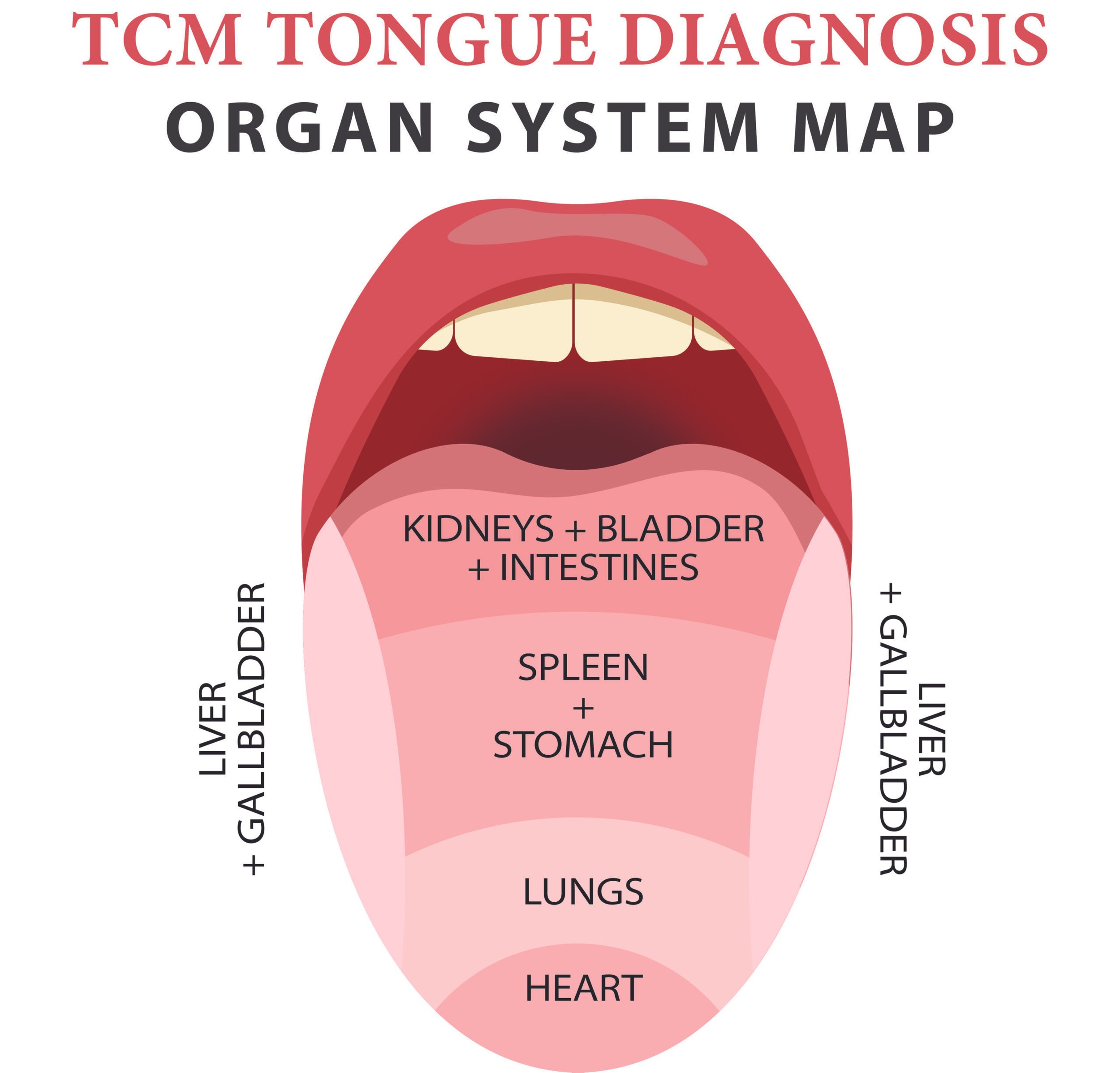
TCM Tongue Diagnosis Map
These methods may seem subtle, but they provide valuable insight into how your nervous system, digestion, circulation, and stress response are functioning beneath the surface. They allow treatment to address both symptoms and underlying imbalances, not just short-term relief.
Clear explanation and collaborative treatment planning
Before any needles are placed, I’ll explain:
What I’ve observed
How acupuncture may help your specific concerns
Which areas of the body we’ll be working with
How many sessions are typically recommended for your condition
This is a collaborative process. You’re always welcome to ask questions, express preferences, or let me know if you’re nervous or sensitive. My role is not just to treat, but to ensure you feel informed and supported throughout.
Gentle needle placement (what it actually feels like)
Once you’re comfortable, needle placement begins. During this time:
You remain fully clothed (loose, comfortable clothing is ideal)
Sterile, single-use needles are used at all times
Sensations may include a dull ache, warmth, heaviness, or gentle tingling
Many people feel very little at all
Needles usually remain in place for 20–30 minutes, allowing your body time to respond. According to Australian acupuncture clinics and professional guidelines, this resting period is where many of the therapeutic effects occur as the nervous system shifts into a calmer state.
For more on safety and professional standards, you can refer to the Australian Health Practitioner Regulation Agency (AHPRA):
👉 https://www.ahpra.gov.au
Deep rest, nervous system regulation, and integration
This is often the most loved part of the session. Once the needles are in, the room is quiet, warm, and restful. Many people:
Drift into a light sleep
Experience deep relaxation or meditative states
Notice their breathing slow and muscles soften
This state supports the body’s rest-and-digest response, which plays a key role in pain reduction, digestion, hormonal balance, immune function, and emotional regulation. Even people who feel “wired but tired” often leave surprised by how calm they feel.
Aftercare and what you might feel afterward
When the needles are removed, it’s common to feel:
Calm, grounded, or lighter
Slightly tired or deeply relaxed
Clear-headed or emotionally settled
Occasionally, people notice subtle changes over the following 24–48 hours, such as improved sleep, shifts in pain, or emotional release. I’ll offer tailored aftercare advice, which may include:
Hydration and gentle movement
Rest or reduced stimulation for the evening
Simple lifestyle or dietary suggestions to support your treatment
Ongoing care and realistic expectations
Some people notice improvements after their first session, while others experience gradual changes over a few treatments. This depends on factors such as how long the condition has been present, stress levels, and overall health.
If ongoing treatment is recommended, we’ll discuss a plan that fits realistically into your life - with clear goals and regular check-ins.
Private health insurance rebates (Australia-specific)
If you have Australian private health insurance, you may be eligible for rebates on acupuncture treatments, depending on your level of extras cover. Most major health funds offer rebates when treatment is provided by a registered acupuncturist.
I can provide item numbers and receipts for easy claiming, usually through providing an invoice to your health fund. If you’re unsure about your coverage, it’s worth checking directly with your insurer to confirm your rebate amount.
Common reasons people book acupuncture
People seek acupuncture for many reasons, including:
Acute or chronic pain (neck, back, headaches, migraines)
Stress, anxiety, and emotional regulation
Digestive issues and gut health support
Women’s health, menstrual concerns, and fertility support or IVF support
Cosmetic Acupuncture / Facial Rejuvenation (improving skin tone)
Fatigue, burnout, and sleep disturbances
Nervous system regulation and general wellbeing
You don’t need a GP referral to book an appointment, though collaborative care with your GP or specialist is always welcomed when appropriate.
If you’re feeling curious but unsure, know that your first session is about listening, understanding, and creating a foundation for care. You don’t need to know exactly what to ask for - that’s part of my role in supporting you.